Cognitive Infra: The Real Work Surfaces
Before the enclosure, we built tools for thinking.
The spreadsheet changed how humans think.
Not metaphorically. The grid — rows, columns, cells that reference other cells — created a new cognitive surface. Suddenly you could see relationships that were invisible in ledgers. You could ask "what if?" and watch the answer ripple through.
A Spreadsheet in Gympie
In the 1980s, my parents ran a late-night pharmacy on the highway in Gympie, a regional centre in Queensland. I remember them showing me their VisiCalc spreadsheets on an Apple IIe — rows of numbers, projections, scenarios.
Those spreadsheets convinced a bank to lend them money.
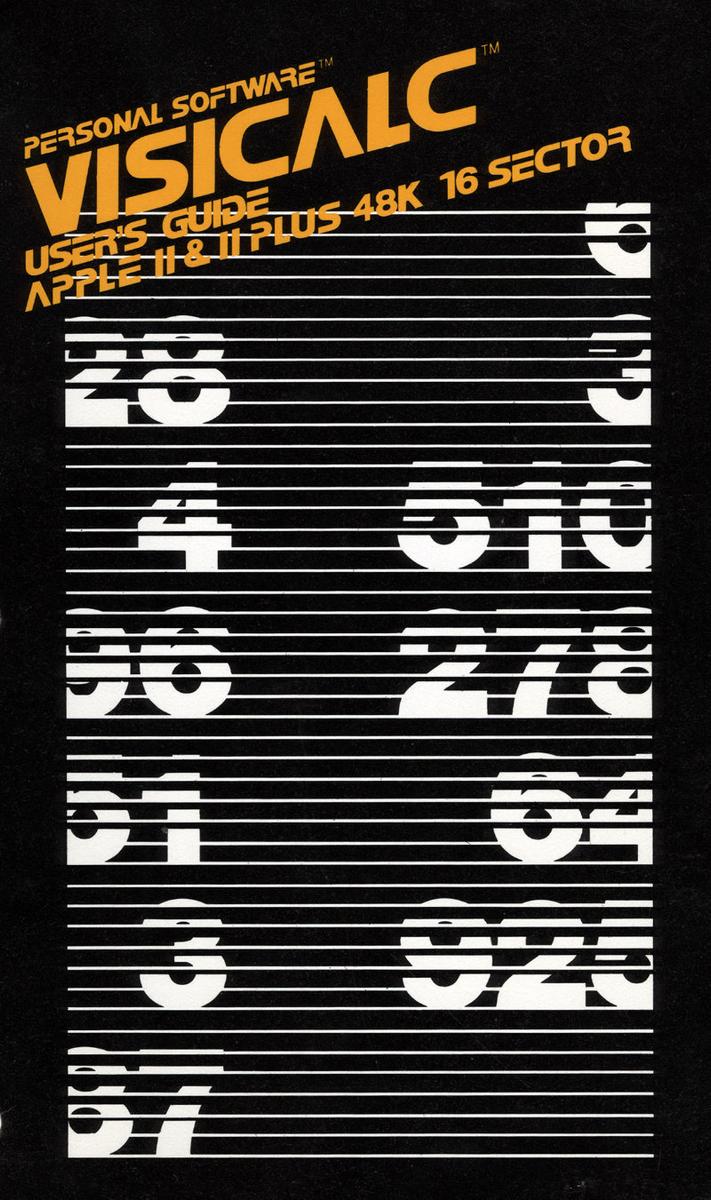
That's cognitive infrastructure doing real work. Not abstract, not theoretical — a tool that let two pharmacists in regional Australia think through possibilities they couldn't hold in their heads, and then show that thinking to someone with capital.
(I played Karateka and Choplifter on that machine. I also learned BASIC. The computer was for thinking and for play.)
What Genuine Tools Look Like
Real cognitive tools share some characteristics:
They externalise cognition. The map isn't the territory, but it lets you think about the territory in ways your head alone can't. The spreadsheet holds relationships your working memory would drop. They create shared surfaces. A whiteboard isn't just for you — it's for the room. The thinking becomes visible, manipulable, contestable. Others can point at it, move it, disagree with it. They emerged from practice. Nobody designed the spreadsheet from theory. Accountants had been using ledgers for centuries. The computer version preserved the logic while enabling new operations. The tool evolved with the work. They're infrastructure, not products. You don't pay per spreadsheet cell. You don't rent access to the concept of a grid. The form factor became a commons — built into every platform, every operating system, every phone.The Sensemaking Surface

What we're really talking about is sensemaking surfaces: places where thinking happens, where the invisible becomes visible, where the work surfaces.
The word works both ways. These are surfaces (noun) where work appears. And through them, the real work surfaces (verb) — becomes visible, becomes tractable, becomes real.
Nabokov mapping Joyce. My parents mapping their pharmacy's future. A design team mapping a service. The surface is generative — you discover things by externalising them that you couldn't discover by thinking alone.
Why This Matters Now
We're building new cognitive tools — AI assistants, code copilots, research synthesisers. But are they infrastructure or are they products?
The spreadsheet became infrastructure: open, portable, embedded everywhere, owned by no one. Your spreadsheet from 1985 is still readable today.
The question for AI tools: will they become cognitive infrastructure we can build on? Or cognitive services we rent access to — dependent, locked-in, extractable?
The tools that genuinely changed thinking became commons.
The ones that didn't... we forgot about.