Willful Ignorance: The Frames We Forgot We Chose
The technology is new. The economics are Victorian.
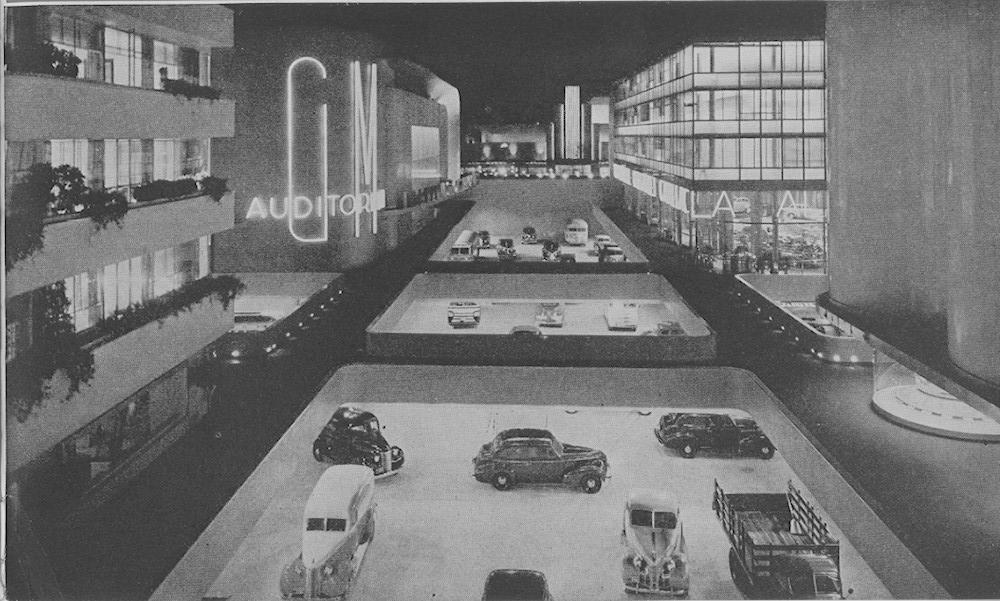
In 1939, General Motors built a scale model of the future. Norman Bel Geddes' Futurama at the New York World's Fair showed visitors "The Wonder World of 1960" — multi-level highways, streamlined cities, automated infrastructure. Tens of millions walked through it.
They weren't selling cars. They were selling futures.
Something happened between then and now. We stopped imagining what comes after. The chrome utopias gave way to a strange consensus: this is how things are. Capitalism isn't a phase — it's the endpoint. The best we can do is optimise within it.
The Crisis of Imagination
We're in the middle of what everyone agrees is a major technological transition. The discourse is full of disruption, transformation, paradigm shift.
But there's one thing that seems completely off the table for disruption: the economic system itself.
All the anxieties cluster around how to preserve existing value structures:
- "AI is stealing jobs" — presumes wage labour as the primary way humans access resources
- "AI trained on our data without consent" — presumes IP as the natural form of value protection
- "Who captures the productivity gains?" — presumes that gains should be captured, accumulated, owned
The imagination stops at "how do we keep capitalism fair" rather than "what would post-scarcity coordination look like?"
Motivated Not-Seeing
This is willful ignorance. Not stupidity — motivated not-seeing. We've built frames around what's thinkable, and we've forgotten we built them.
It feels like a crisis of imagination masquerading as material or ideological crisis. The technology is genuinely new. The arguments about it are Victorian.
Every proposed solution — regulation, UBI, retraining programs, copyright reform — is designed to preserve the existing structure of value, ownership, and exchange. The frame is so naturalised that questioning it feels naive, utopian, or simply unserious.
But the technology doesn't care about our frames.
What We Can't See
The deeper question nobody's asking: What if the more interesting possibilities require changing the frame, not just redistributing within it?
When you assume:
- Value must be owned
- Work must be waged
- Access must be rationed
The forgetting is the point. If we remembered these are choices, we might make different ones.
Somewhere between 1939 and now, we stopped visiting the future. We started defending the present.